
Rosacea Treatment London
Specialist Medical Management at Fitzrovia Clinic
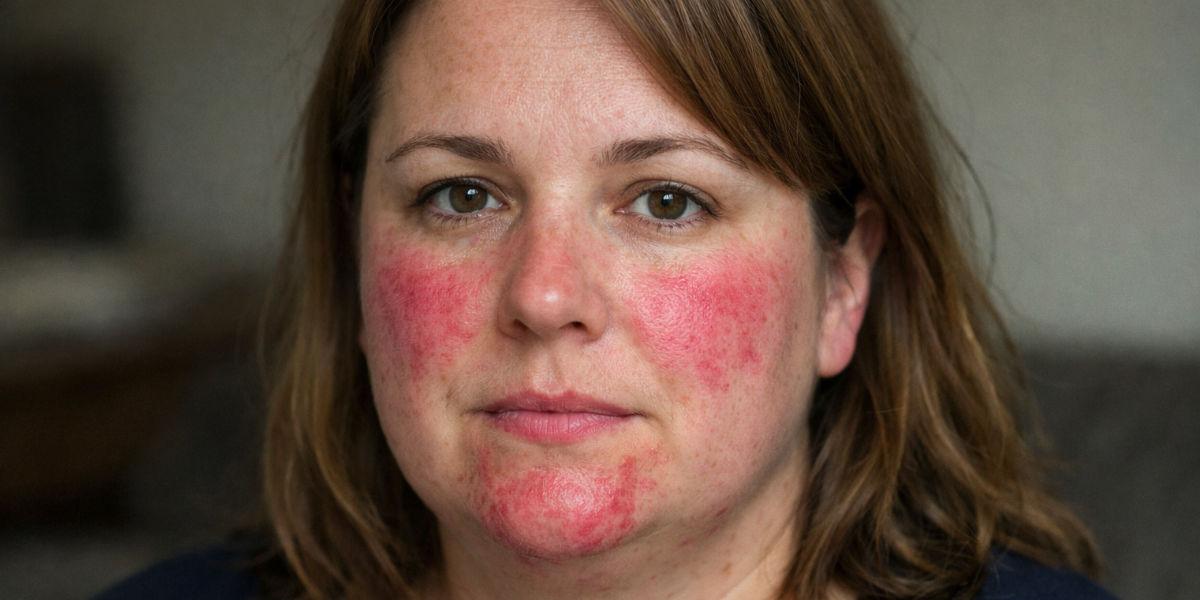
Rosacea is a chronic inflammatory skin condition primarily affecting the central face. It commonly presents with persistent redness, flushing, visible blood vessels (telangiectasia), and sometimes inflammatory papules or pustules. Symptoms can fluctuate over time and are often exacerbated by triggers such as heat, sun exposure, stress, alcohol, spicy foods, and inappropriate skincare.
At Fitzrovia Clinic, we provide doctor-led diagnosis and personalised rosacea management programmes, combining advanced vascular laser technology, prescription skincare, and long-term maintenance strategies to achieve visible, sustainable improvement.
Our approach is suitable for:
- Persistent facial redness and flushing
- Visible facial thread veins
- Inflammatory rosacea
- Patients seeking long-term control rather than short-term suppression
The Fitzrovia Rosacea Programme
Rosacea is a chronic condition requiring individualised care rather than one-off treatments. Our signature clinical programme is designed to address both active symptoms and long-term skin stability. The course spans four months and combines:
- Doctor-prescribed compounded skincare x 4
- A series of three carefully selected medical laser treatments, performed monthly
- Ongoing assessment and protective maintenance planning
This controlled, structured approach is key to achieving steady, meaningful improvement in your rosacea.
Programme Structure
Step 1 – Comprehensive Medical & Skin Assessment
All rosacea patients undergo a detailed consultation with one of our doctors, including:
- Clinical diagnosis and rosacea subtype identification
- Assessment of vascular, inflammatory and barrier-related components
- Review of triggers, skincare history and previous treatments
- Clinical photography for objective progress monitoring
- Clear guidance on trigger avoidance, skincare simplification, and lifestyle modifications to reduce flare frequency and severity.
Accurate diagnosis is essential, as rosacea can mimic or overlap with acne, perioral dermatitis, eczema, and other causes of facial redness.
Step 2 – Targeted In-Clinic Laser Treatment
Derma V Vascular Laser
Derma V is a next-generation vascular laser specifically designed to treat facial redness, flushing, and abnormal superficial blood vessels associated with rosacea.
Using precise wavelength targeting and adjustable pulse technology, Derma V allows us to:
- Reduce diffuse facial redness and flushing
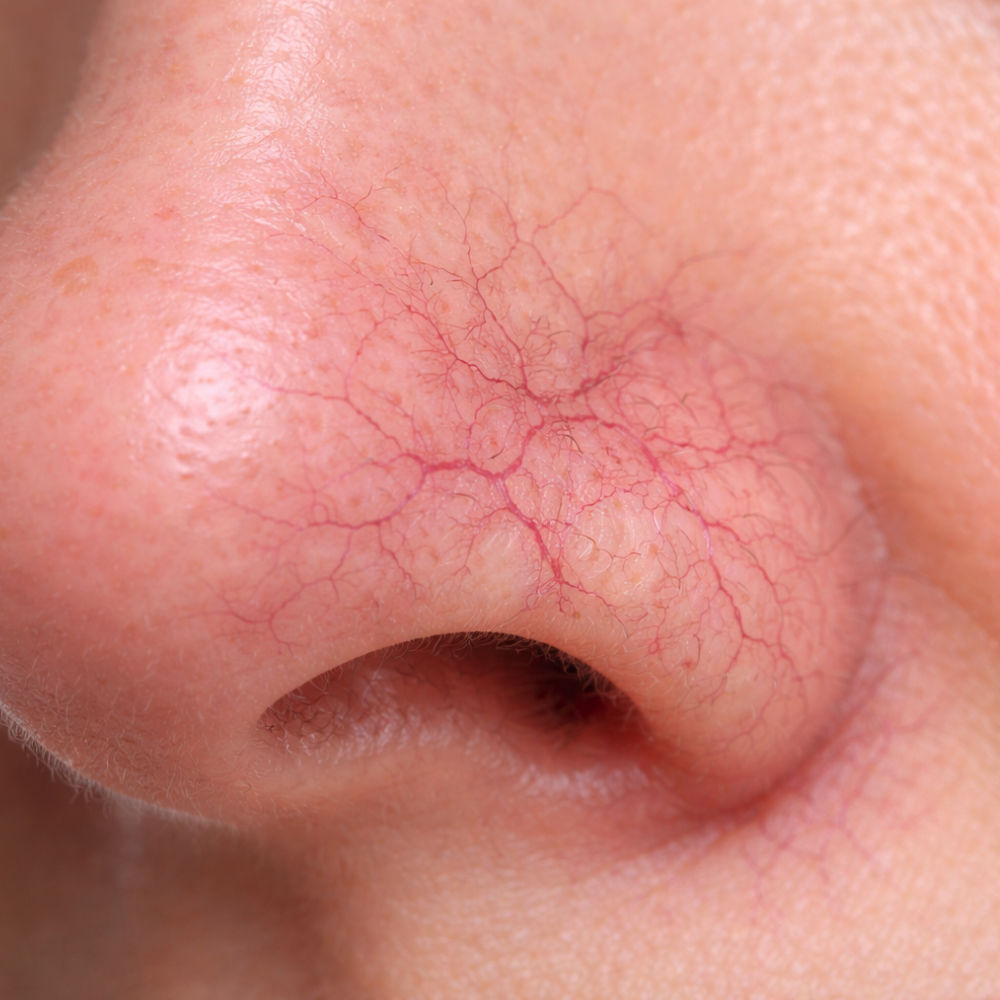
- Treat visible telangiectasia safely and effectively
- Minimise heat spread to surrounding tissue
- Treat sensitised rosacea-prone skin with enhanced safety
Treatment parameters are individually tailored based on skin type, severity, and rosacea subtype. A course of treatments is typically recommended for optimal and sustained results.
In selected cases, Derma V may be combined with other energy-based treatments as part of a broader skin health strategy. To read more about Derma V click here.
Step 3 – Doctor-Prescribed Skincare & Medical Management
Prescription skincare is vital in manging rosacea, as it allows the use of proven medical ingredients at therapeutic strengths not available in over-the-counter products. At Fitzrovia Clinic, we believe the optimal approach to rosacea is individual, as no two patients share the same triggers, skin sensitivity, or disease pattern.
Patients therefore follow a doctor-prescribed, personalised skincare programme, centred around a bespoke compounded night cream. This prescription is renewed monthly during the programme and adjusted based on clinical response, tolerability, and disease stability. Used alongside in-clinic laser treatment, this approach helps reduce inflammation, strengthen the skin barrier, and minimise flare frequency over time.
Compounds may include:
- Ivermectin
A first-line prescription treatment for rosacea with both anti-inflammatory and anti-Demodex activity. Ivermectin is particularly effective in inflammatory rosacea. - Azelaic Acid
A multi-functional anti-inflammatory and antimicrobial agent that can reduce redness and inflammation. It is especially useful where rosacea overlaps with pigmentation or acne. - Metronidazole
A well-tolerated anti-inflammatory treatment that helps calm redness and irritation, often used in sensitive skin or milder rosacea. - Tretinoin
Used selectively and only once rosacea is stable. Low-dose, carefully buffered tretinoin may be introduced to support epidermal renewal, texture, and long-term skin quality under close medical supervision. - Niacinamide
A key supportive ingredient in rosacea skincare. Niacinamide reduces inflammation, improves barrier function, and helps minimise flushing and sensitivity, improving overall skin tolerance and resilience. - Barrier & Hydration Support
Barrier dysfunction is central to rosacea. Compounds commonly include cholesterol, urea and hyaluronic acid to restore the skin’s lipid structure, reduce transepidermal water loss, and improve comfort and tolerance of active ingredients. - Additional Anti-Inflammatory & Soothing Agents
In selected patients, further supportive ingredients may be incorporated to enhance tolerability and stability, particularly in flushing-prone or highly sensitive skin. These are used as adjuncts rather than primary treatments.
Throughout treatment, prescriptions are reviewed and refined to reflect disease stability, seasonal variation, and response to laser therapy, with the goal of long-term rosacea control rather than short-term symptom suppression.
Step 4 – Long-Term Control & Maintenance
Rosacea requires ongoing management. At the end of the four month Fitzrovia Rosacea Programme your clinician will review your progress and discuss options for ongoing maintenance. These may include:
- Periodic Derma V treatments e.g. once or twice per year
- Continued compounded skincare
- Seasonal reviews (rosacea often worsens with temperature extremes)
- Long-term skin barrier support
The goal is fewer flares, reduced redness, and improved skin health.
Rosacea Guide & FAQs
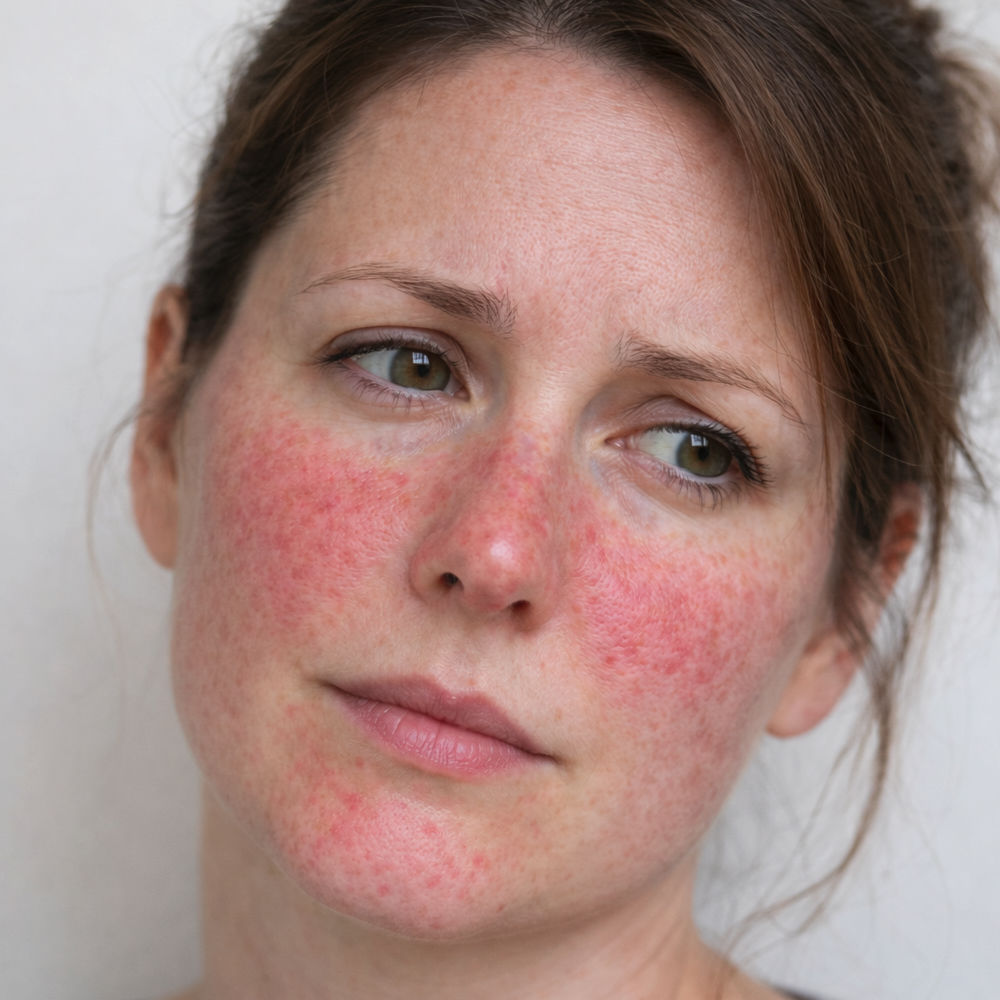
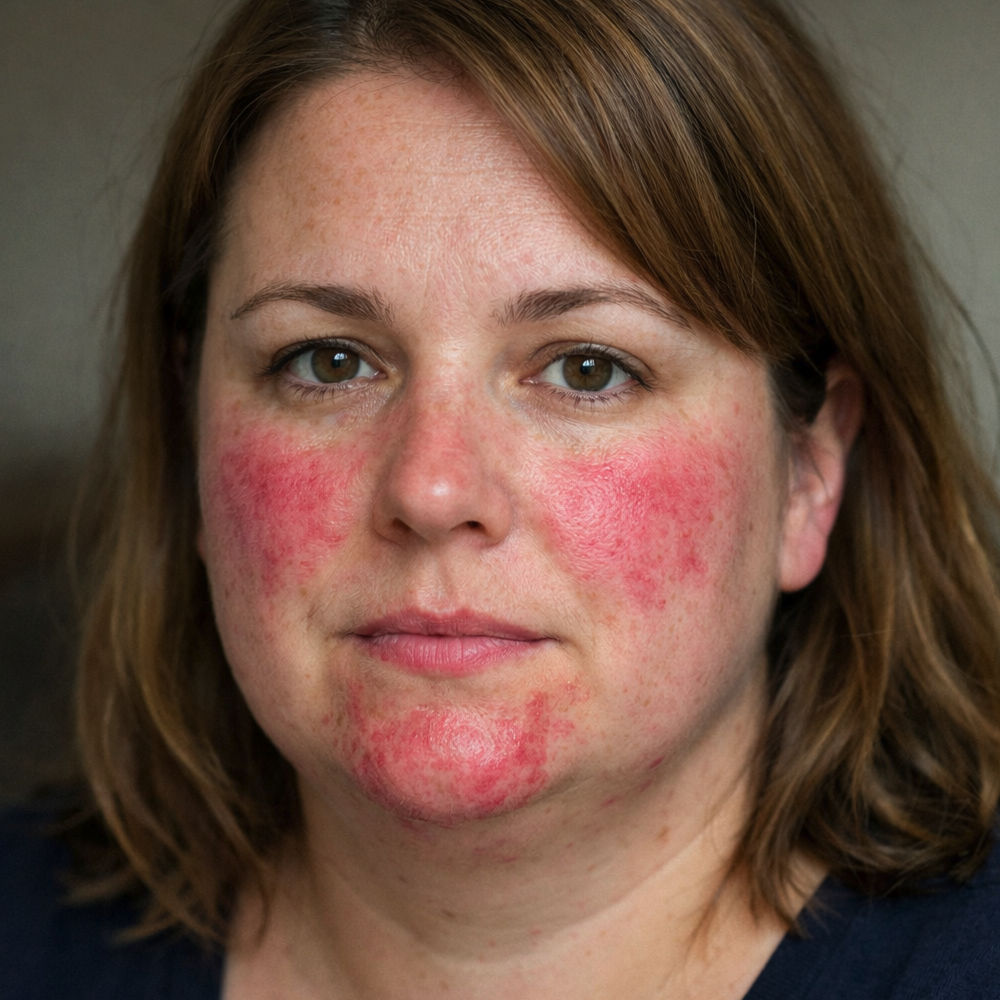
Rosacea is a chronic inflammatory condition characterised by:
- Persistent central facial erythema
- Episodic flushing
- Visible superficial blood vessels
- In some cases, inflammatory papules and pustules
Although the exact cause is not fully understood, contributing factors include vascular hyper-reactivity, immune dysregulation, genetic predisposition, and environmental triggers. Rosacea tends to progress without appropriate treatment, making early intervention and structured care important.
The exact cause of rosacea isn’t fully understood, but it is thought to develop due to a combination of over-reactive facial blood vessels, ongoing skin inflammation, genetic factors, and everyday triggers such as sun exposure, heat, stress, and certain foods or drinks.
In rosacea-prone skin, blood vessels widen more easily and the skin becomes more sensitive, leading to persistent redness, flushing, and irritation. Over time, and without appropriate treatment, these changes can become more established, making symptoms harder to control.
This is why early diagnosis and a structured, medical approach are important — helping to calm the skin, reduce flares, and achieve better long-term control.
Rosacea is a common skin condition, affecting an estimated 5–10% of adults worldwide, although it is likely under-diagnosed. It most often develops between the ages of 30 and 60, though early symptoms such as flushing or skin sensitivity may appear years before diagnosis.
Rosacea is more frequently diagnosed in women, but men tend to develop more severe forms, including skin thickening, particularly of the nose. It is commonly associated with fair or sensitive skin, especially in people of Northern European descent, but rosacea can affect all skin types and ethnic backgrounds. In darker skin tones, redness may be less visible, which can delay recognition.
A family history of rosacea increases the likelihood of developing the condition, suggesting a genetic component. Symptoms may become more noticeable during periods of hormonal change, cumulative sun exposure, or increased stress.
Overall, rosacea is a common yet often under-recognised condition, and early diagnosis allows for more effective, long-term control.
Rosacea cannot currently be cured, but it can be very effectively controlled. With the right combination of medical treatment, prescription skincare, laser therapy, and trigger management, most patients experience significant and long-lasting improvement in redness, flushing, and breakouts.
Early treatment helps prevent progression and reduces the likelihood of permanent redness and visible blood vessels.
There are several recognised rosacea subtypes, and many patients have a combination:
- Erythematotelangiectatic rosacea – persistent redness, flushing, visible blood vessels
- Papulopustular rosacea – redness with acne-like spots
- Phymatous rosacea – skin thickening, most commonly affecting the nose
- Ocular rosacea – eye irritation, redness, or dryness
Correctly identifying the subtype is essential, as treatment varies depending on presentation and patients with eye involvement should be reviewed by an ophthalmologist.
Triggers vary between individuals but commonly include:
- Sun exposure
- Heat and temperature changes
- Stress and emotional flushing
- Alcohol and spicy foods
- Hot drinks
- Exercise
- Harsh or unsuitable skincare products
Identifying and managing personal triggers is an important part of long-term rosacea control.
Rosacea improves best with a structured medical approach, which may include:
- Doctor-prescribed skincare
- Laser treatment for redness and visible vessels
- Skin barrier repair and gentle skincare routines
- Strict sun protection year-round with a suitable high-factor SPF.
- Trigger identification and avoidance
Over-the-counter products alone are often insufficient for moderate or persistent rosacea.
Although rosacea and acne can look similar, there are key differences:
- Rosacea usually causes background redness and flushing, which acne does not
- Rosacea spots tend to be inflammatory without blackheads or whiteheads
- Acne is associated with comedones (blocked pores)
- Acne often affects teenagers and younger adults, while rosacea is more common in mid-life
A medical assessment is the best way to distinguish between the two, as treatments differ significantly.
Rosacea is not dangerous, but it is a chronic medical condition that can worsen without treatment. Untreated rosacea may lead to persistent redness, visible blood vessels, thickened skin, or eye symptoms, and it can significantly impact confidence and quality of life.
With appropriate treatment and ongoing management, rosacea can usually be kept well controlled.
✶ Entirely doctor-led assessment and treatment
✶ Expertise in vascular laser treatment
✶ Individualised, evidence-based treatment programmes
✶ Integration of advanced lasers and prescription skincare
✶ Focus on long-term disease control, not just symptom suppression