
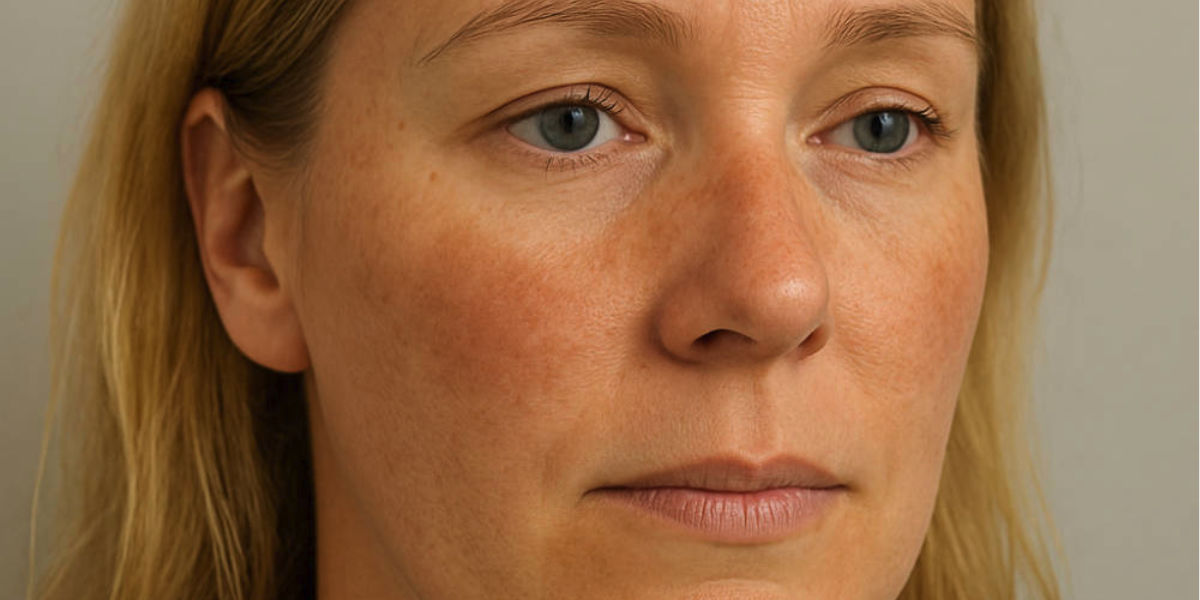
Melasma Treatment London
Specialist Medical Management at Fitzrovia Clinic
Melasma is one of the most complex pigmentation conditions to treat effectively — and requires medical expertise, precise laser selection, and personalised prescription skincare. At Fitzrovia Clinic, London, we specialise in the diagnosis, treatment, and long-term management of melasma for:
- All skin types & tones
- All ethnicities
- Year-round treatment schedules
Our doctors combine advanced melasma-specific laser protocols with bespoke compounded prescription skincare, creating safe, evidence-based treatment pathways that address pigment instability without triggering inflammatory flare-ups or rebound pigmentation.
The Fitzrovia Melasma Programme
Our signature programme is a clinically structured 4-month medical course designed to suppress pigment activity at multiple levels of the skin while rebuilding long-term stability.
It combines:
- Doctor-prescribed compounded skincare
- A series of carefully selected medical laser treatments, performed monthly
- Ongoing assessment and protective maintenance planning
This controlled, layered approach is key to achieving steady, meaningful improvement without provoking rebound pigmentation, which is a common risk with inappropriate pigment treatments.
Programme Structure
Step 1 – Baseline Consultation & Diagnosis
Every programme begins with a comprehensive medical consultation including:
- Detailed pigment analysis and formal diagnosis
- Skin typing for laser safety and laser treatment patch testing
- Review of hormonal and medical contributing factors
- Clinical photography for progression tracking
- Prescription of individually compounded medical skincare
Your skincare formulation is continually reviewed and adjusted depending on your skin’s response to treatment.
Step 2 – Targeted Laser Therapy (Monthly)
Patients receive four advanced laser treatments, performed once per month, using technologies selected specifically for melasma management.
Unlike conventional pigment lasers or IPL systems, our protocols focus on:
- Controlled pigment fragmentation
- Stimulation of healthy skin renewal
- Enhancement of topical medication penetration
- Minimising inflammatory heat response, which is known to worsen melasma
Devices are selected based on skin type, pigment depth, and tolerance, allowing for tailored treatment rather than a one-laser approach.
Step 3 – Prescribed Compounded Skincare (Daily)
Patients follow a doctor-directed prescription skincare programme throughout treatment.
Compounds may include:
- Hydroquinone – Gold-standard prescription ingredient to suppress melanin production when used in carefully supervised treatment cycles.
- Tranexamic Acid – Targets pigment-signalling pathways between melanocytes and surrounding cells, particularly effective in hormonally driven melasma.
- Brightening Antioxidants – Vitamin C, arbutin or kojic acid regulate pigment production and provide protective antioxidant support.
- Medical Retinoids – Prescription retinoids normalise melanocyte behaviour, increase pigment turnover, and improve overall skin quality and luminosity.
- Barrier & Anti-Inflammatory Agents – Essential for protecting sensitive melasma-prone skin and preventing treatment-induced relapse.
Step 4 – End-of-Programme Review
At four months:
- Repeat clinical photography
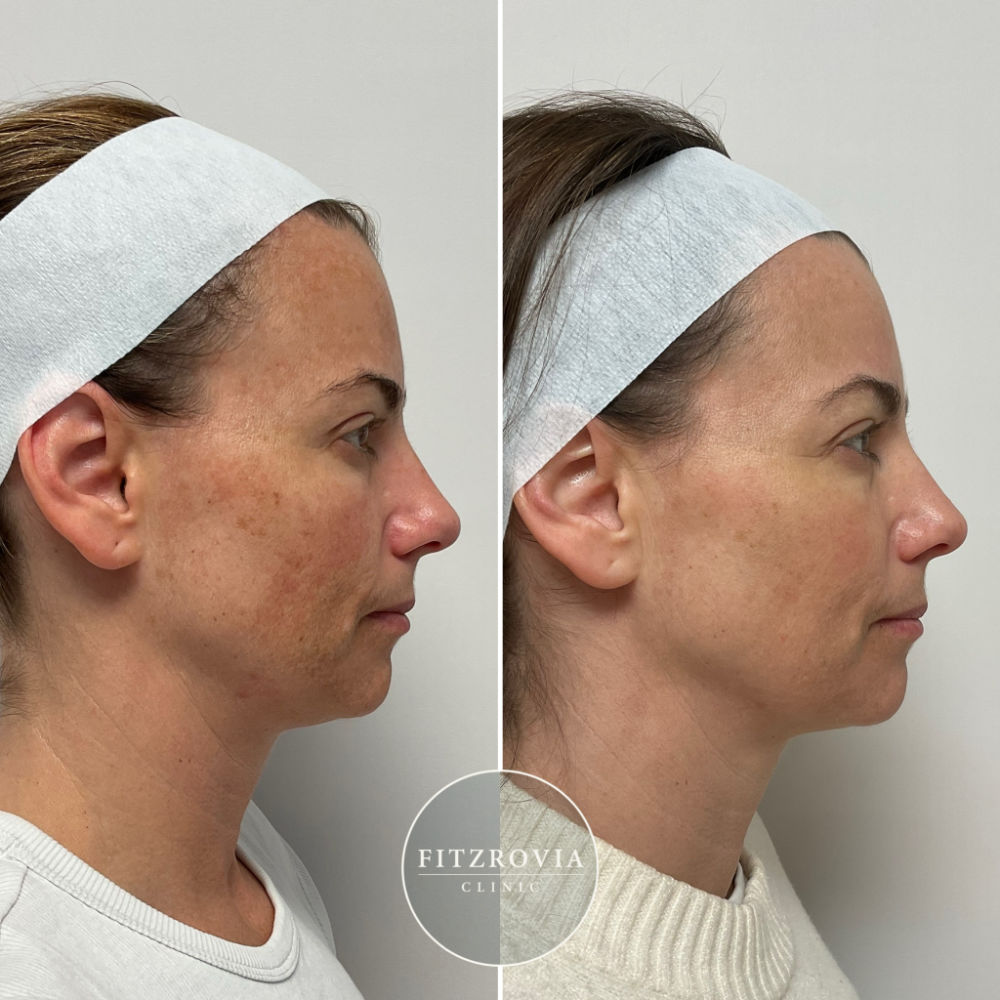
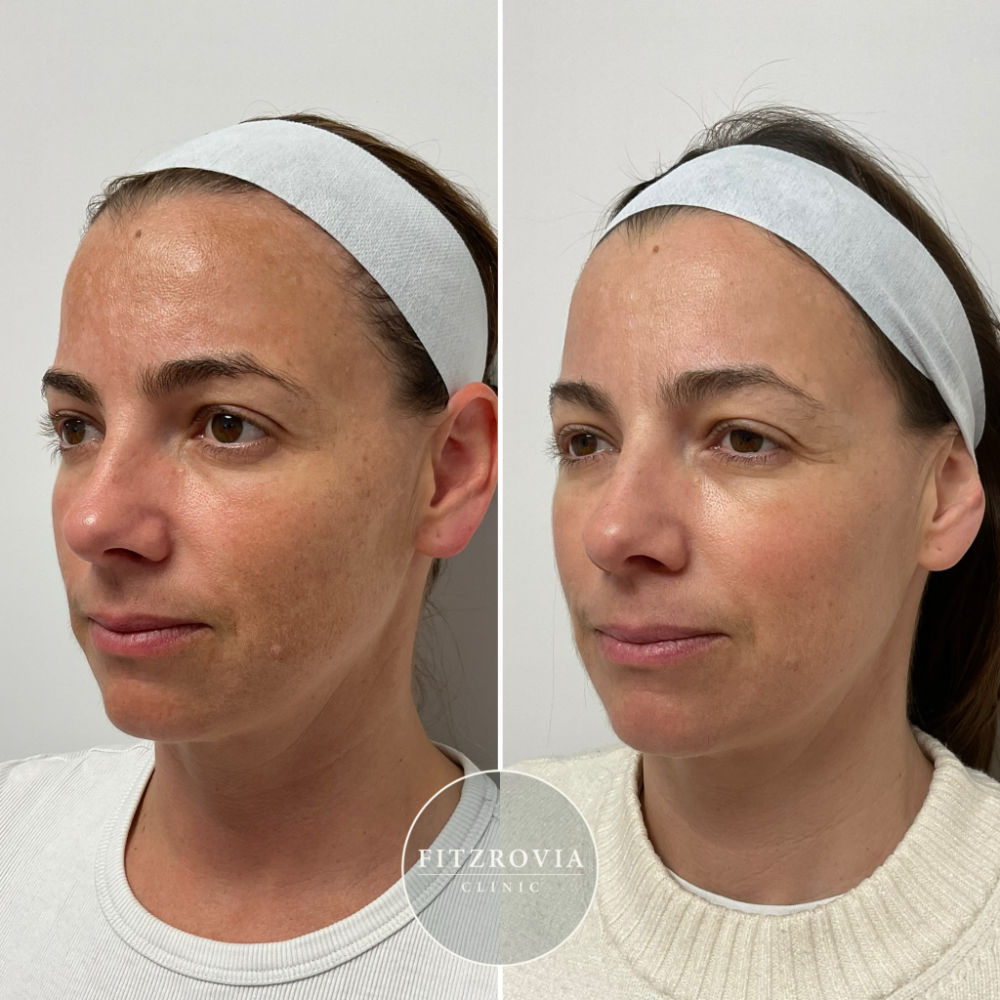
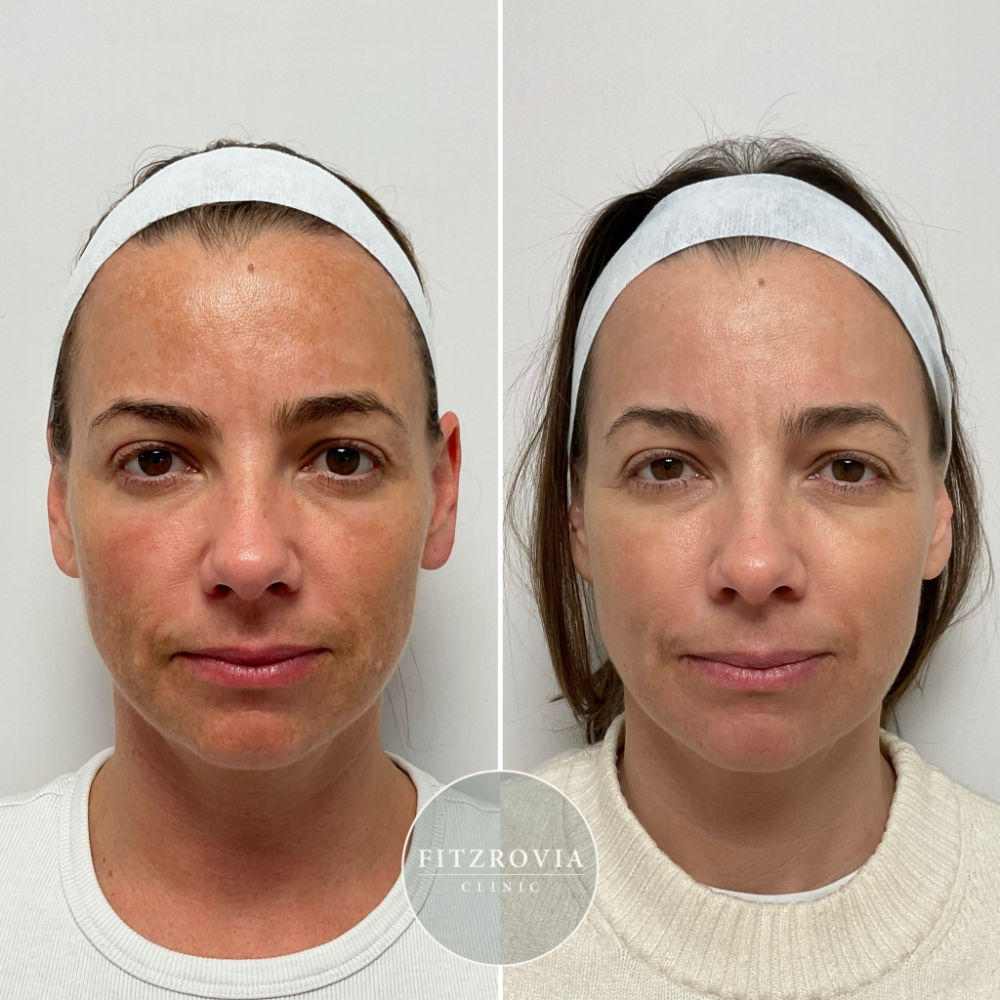
- Side-by-side progress comparison
- Skincare prescription review
- Development of a personalised long-term maintenance strategy
Maintenance planning may include:
- Ongoing prescription skincare
- Periodic laser stabilisation treatments
- Seasonal pigment support courses
Before & Afters
Melasma Guide & FAQs
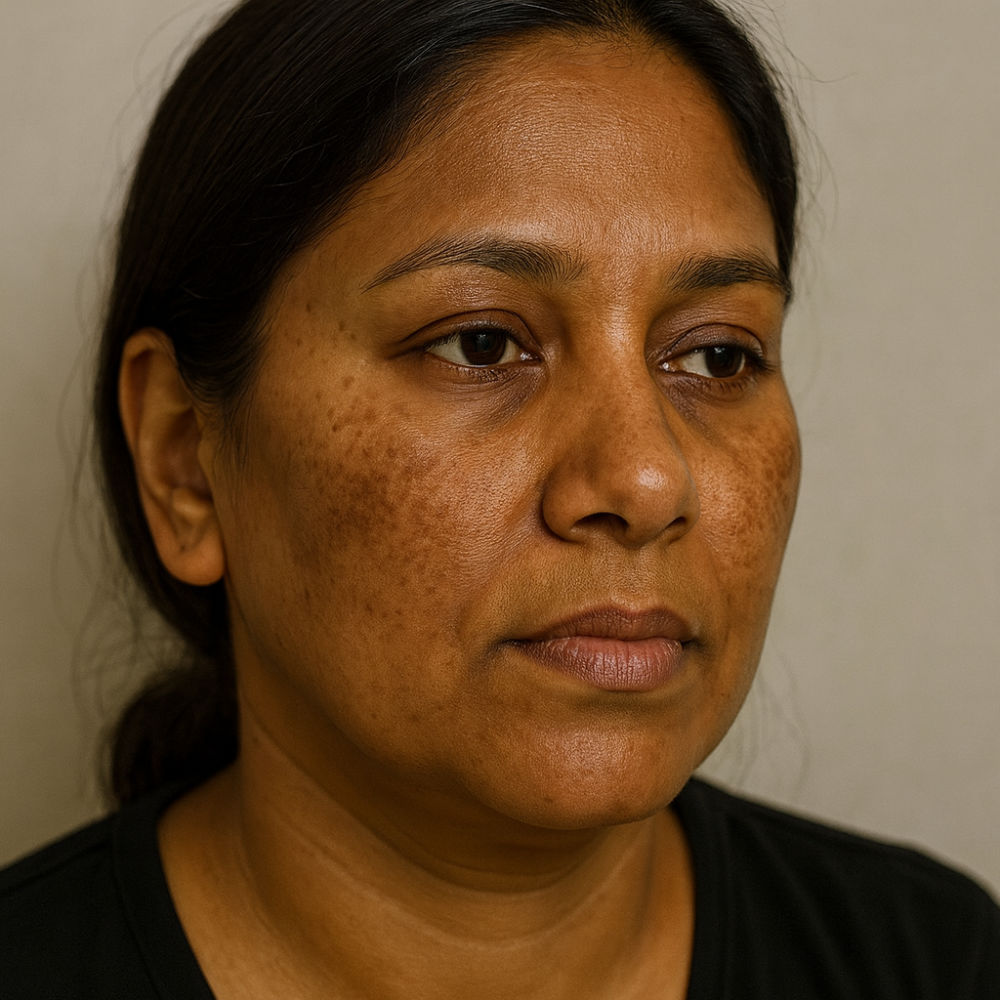
Melasma is a chronic form of hyperpigmentation caused by overproduction of melanin by pigment cells (melanocytes). This process is driven chiefly by:
- Hormonal signals
- Ultraviolet radiation
- High-energy visible light exposure
Melasma classically presents as:
- Brown, grey-brown or tan patches
- Symmetrical, bilateral facial distribution
- Not raised or textured
- Often sparing the eyelid and under-eye region
- Irregular or “moth-eaten” borders
Common areas affected include:
- Cheeks
- Forehead
- Upper lip
- Nose
- Jawline
Melasma differs from other pigment conditions:
- General hyperpigmentation results from sun damage or inflammation (e.g. acne scarring).
- Freckles are genetically determined and usually appear in childhood.
- Chloasma refers specifically to pregnancy-associated melasma.
Correct diagnosis is essential — as incorrect laser or IPL treatment can worsen true melasma.
Hormonal Influences
Pregnancy, oral contraceptives, IVF, menopausal transition and HRT.
Light Exposure
Both UV radiation and high-energy visible light stimulate melanocyte activity. Some LED face masks can also trigger melasma, to read more about this click HERE to read our blog post.
Genetic Predisposition
Family history significantly increases risk.
Skin Inflammation & Sensitivity
Aggressive skincare or inappropriate cosmetic treatments commonly trigger melasma flares.
Medical Associations
Certain medications and autoimmune thyroid disease are known to cause or exacterbate melasma.
- Epidermal – superficial pigment; most responsive to treatment
- Dermal – deeper pigment; can be harder to treat.
- Mixed – combined layers requiring more advanced protocols
Melasma is a chronic condition which can be controlled with the right treatment.
Pigment may fade after pregnancy or hormonal change, but most patients require structured treatment and ongoing maintenance to prevent recurrence.
We select treatments proven to be melasma-safe, including:
- Medical non-ablative pigment-targeting lasers
- Medium-depth chemical peels
- Radiofrequency microneedling
We generally avoid IPL and heat-heavy lasers due to the risk of inflammatory rebound pigmentation.
- Daily tinted SPF 50+ (5 ml for face and neck, reapplied every two hours outdoors). This is the single most important intervention for preventing and reducing melasma.
- Avoid excessive heat exposure (saunas, hot yoga)
- Use medically advised skincare
- Review hormonal medications where appropriate
Occasionally after hormonal changes e.g. after birth or menopause, but recurrence is common without medical management.
Medically qualified practitioners who can correctly diagnose melasma and differentiate it from other types of pigmentation. Medical practitioners are also able to prescribe medical skin care which is vital in melasma treatment.
No — melasma is benign but frequently impacts confidence and wellbeing.
- Most commonly women
- Can occur in men
- Higher prevalence in deeper skin tones
- Typically associated with hormonal transitions
Why Choose Fitzrovia Clinic for Melasma Treatment in London?
Entirely doctor-led practice
Dedicated Melasma treatment protocols
Prescription compounded skincare
Specialist laser selection by skin type
Experience with all Fitzpatrick skin tones
Year-round treatment capability
Book Your Melasma Consultation
Begin your personalised journey with The Fitzrovia Melasma Programme and take confident, medically guided control of your Melasma.
Book online today or contact our team to schedule your consultation.